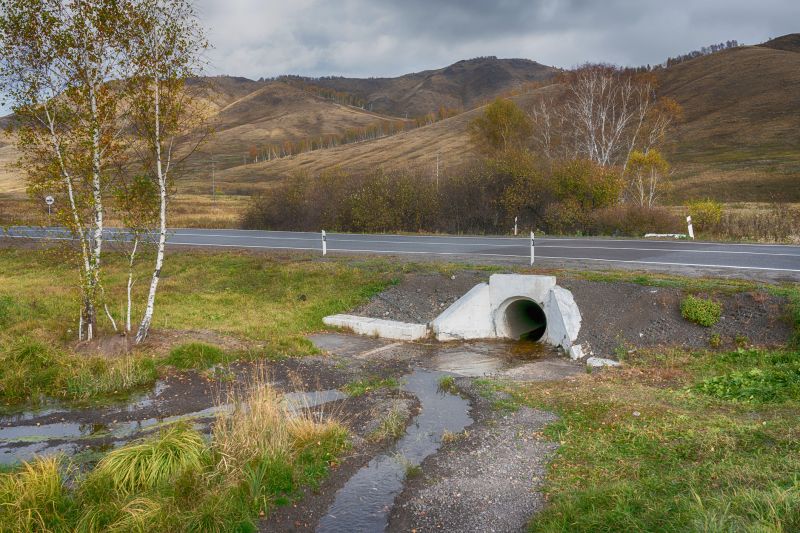
Rainwater Diversion in Birmingham, AL
Rainwater diversion services involve the installation and design of systems that redirect rainwater away from a property’s foundation, landscaping, or other structures. These services typically cover projects such as installing downspout extensions, rain gardens, or underground drainage systems to manage excess water during storms. Property owners often seek this service to prevent water pooling, reduce the risk of basement flooding, and protect their landscaping from erosion. Before requesting rainwater diversion, it’s helpful to understand the property’s current drainage patterns, the areas most affected by water runoff, and any specific goals for water management.
Homeowners usually want to know how the system will be integrated with existing gutters and drainage features, as well as the maintenance involved in keeping the system functioning properly. It’s also common to inquire about the best types of diversion methods suitable for their property’s size and landscape. Understanding local weather patterns and the typical volume of rainfall can help determine the most effective solutions for managing rainwater runoff efficiently and preventing potential water damage.
Many property owners in Birmingham, AL look into Rainwater Diversion for repairs, replacements, upgrades, and appearance-related improvements.
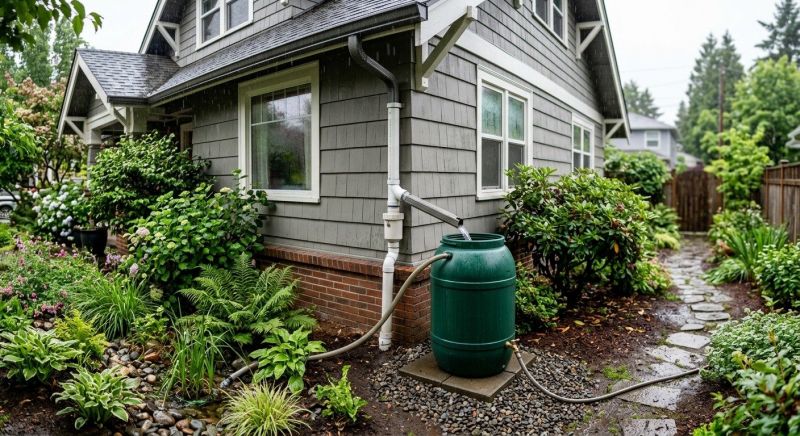
Rainwater Diversion Services
Examples of rainwater diversion work property owners may explore in birmingham, al.
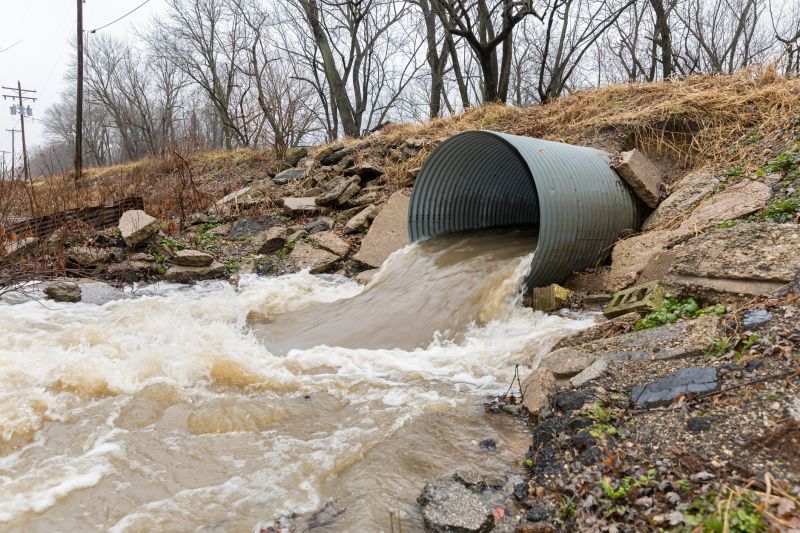
Rainwater Diversion Updates
Common ways people refresh, improve, or restore rainwater diversion features in birmingham, al.
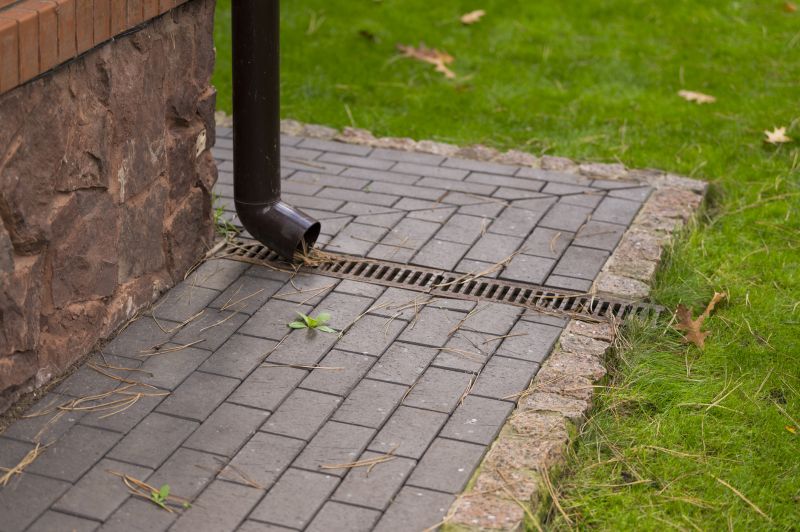
Rainwater Diversion Options
Different styles, layouts, and finishes people consider for rainwater diversion in birmingham, al.
Rainwater Diversion in Birmingham, AL
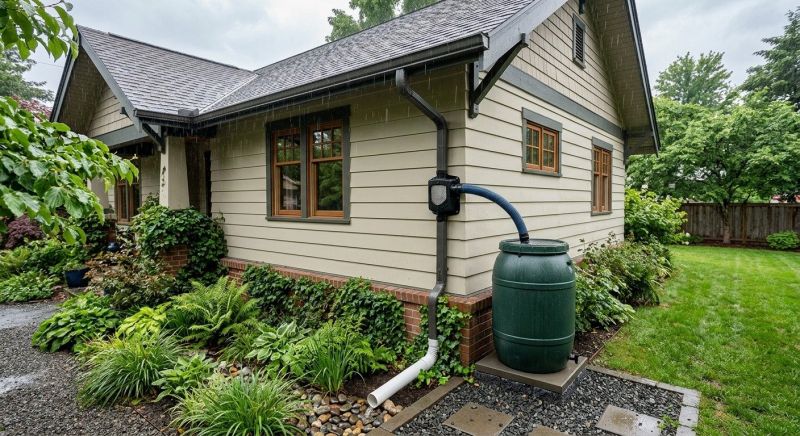
Rainwater diversion services involve the installation and design of systems that redirect rainwater away from a property’s foundation, landscaping, or other structures. These services typically cover projects such as installing downspout extensions, rain gardens, or underground drainage systems to manage excess water during storms. Property owners often seek this service to prevent water pooling, reduce the risk of basement flooding, and protect their landscaping from erosion. Before requesting rainwater diversion, it’s helpful to understand the property’s current drainage patterns, the areas most affected by water runoff, and any specific goals for water management.
Homeowners usually want to know how the system will be integrated with existing gutters and drainage features, as well as the maintenance involved in keeping the system functioning properly. It’s also common to inquire about the best types of diversion methods suitable for their property’s size and landscape. Understanding local weather patterns and the typical volume of rainfall can help determine the most effective solutions for managing rainwater runoff efficiently and preventing potential water damage.
Many property owners in Birmingham, AL look into Rainwater Diversion for repairs, replacements, upgrades, and appearance-related improvements.
Common Rainwater Diversion Jobs
Rainwater diversion systems help direct roof runoff away from foundations to prevent water damage.
Downspout extensions are installed to carry excess water further from the property.
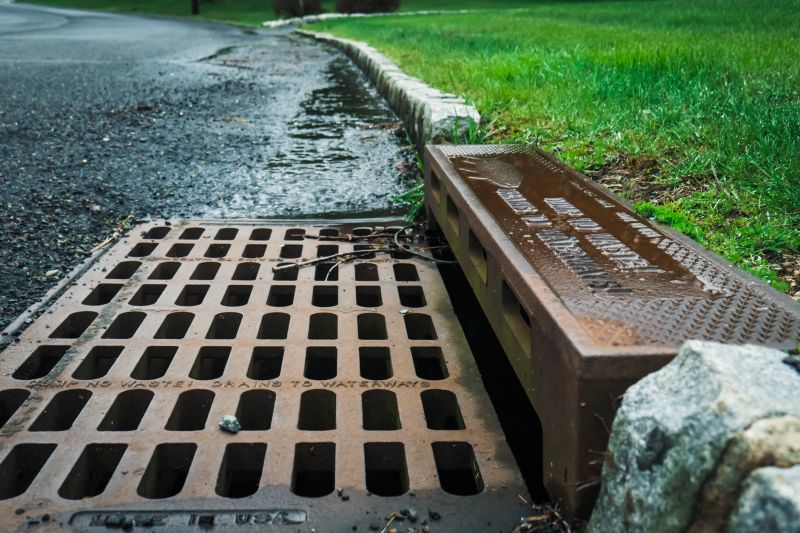
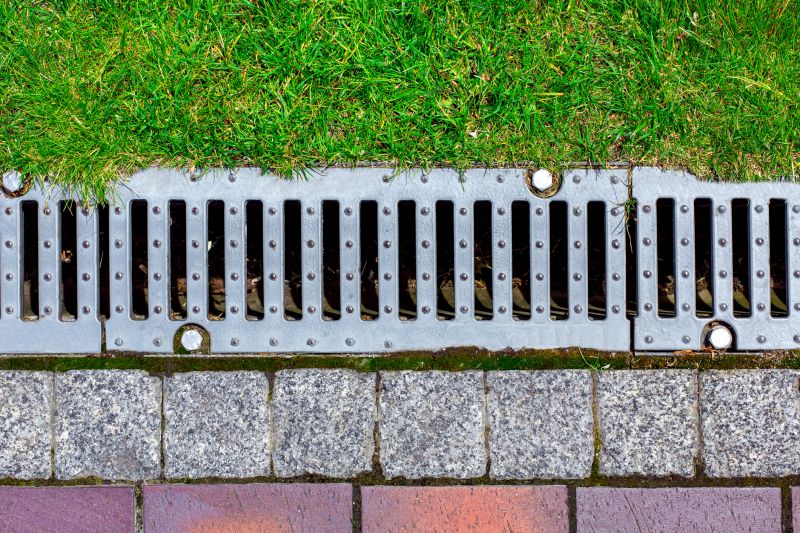
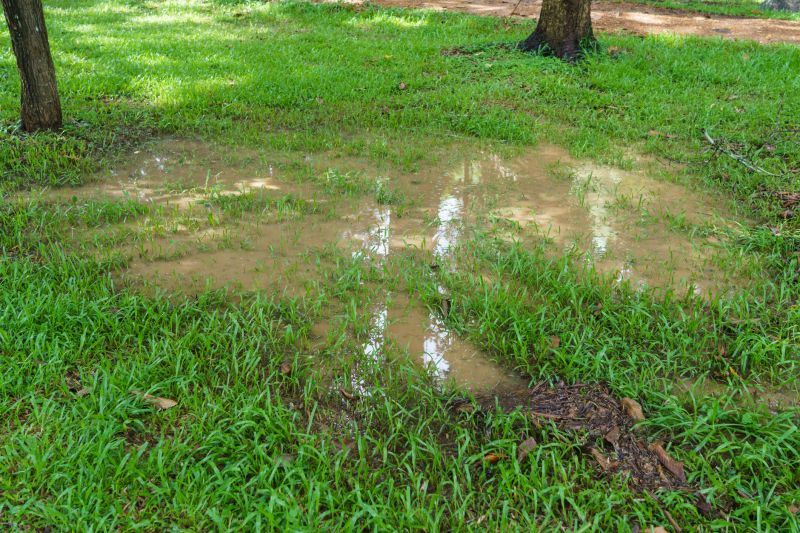
Drainage solutions redirect stormwater to prevent pooling and erosion around the home.
Rainwater harvesting systems collect runoff for outdoor use or irrigation purposes.
Gutter guards and screens reduce debris buildup, ensuring effective water diversion.
Surface grading improves land slope to guide rainwater away from structures.
Rainwater Diversion Questions
What is rainwater diversion? Rainwater diversion involves redirecting runoff away from building foundations to prevent water damage and manage drainage effectively.
Why should property owners consider rainwater diversion? It helps protect structures from water pooling, reduces erosion, and minimizes basement or foundation issues caused by excess water.
What types of rainwater diversion systems are available? Common options include gutters, downspouts, splash blocks, and underground drain pipes designed to channel water away from the property.
When is rainwater diversion needed? It is typically recommended when properties experience pooling water, soil erosion, or foundation concerns during heavy rainfall events.
Request Rainwater Diversion in Birmingham, AL
Use the quote form on this page to share the basics of your project and request more information for the type of work you need.